Category: Tacos 101

  • Taco Glossary

    • A Mexican dish made of slow-cooked, braised, or roasted pork that is typically shredded and used as a filling for tacos. Carnitas are often seasoned with spices like cumin, oregano, and garlic.

    Al Pastor:

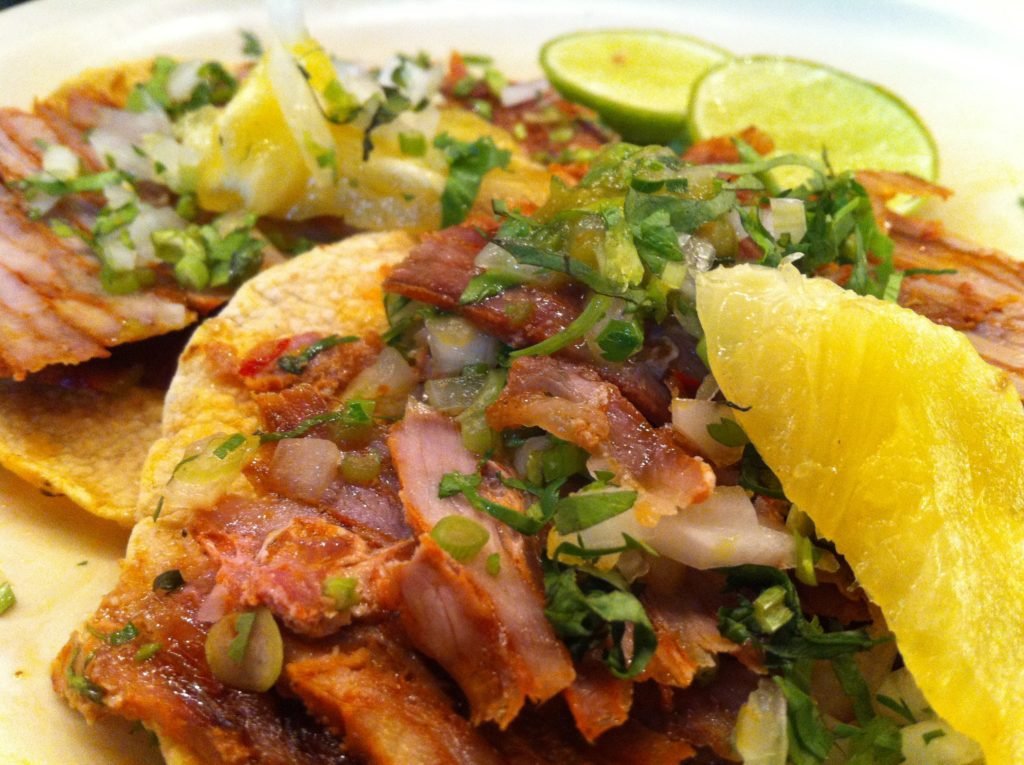
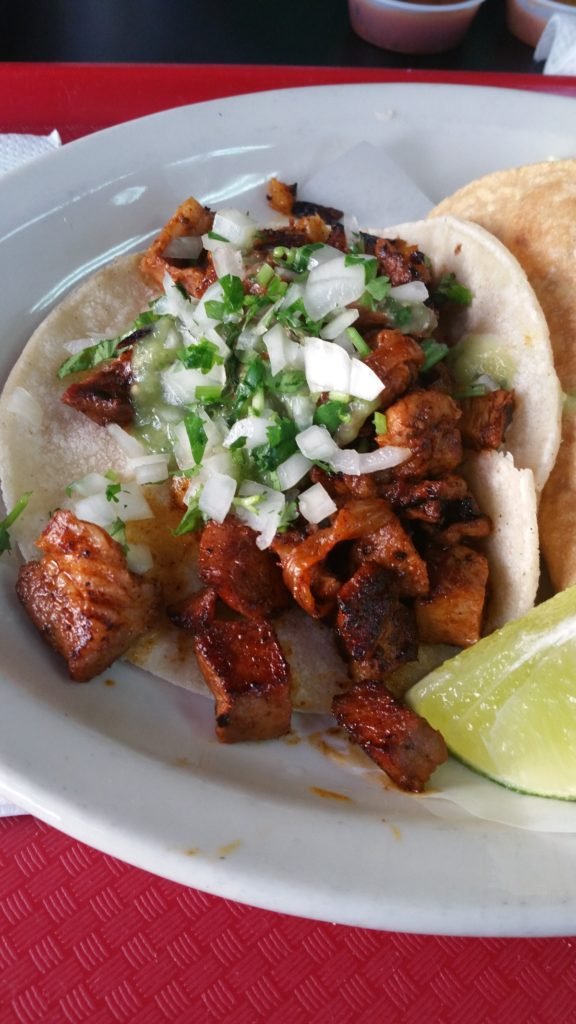
    • A type of taco made with marinated pork that is cooked on a vertical spit, similar to shawarma. The meat is typically seasoned with spices, pineapple, and achiote paste, giving it a distinct flavor.

    Barbacoa:

    • A traditional method of cooking meat (often beef, lamb, or goat) that involves slow-cooking it over an open fire or in a pit. Barbacoa tacos are known for their tender and flavorful meat.

    Salsa:

    • A sauce made from tomatoes, chili peppers, onions, and other ingredients, commonly used as a condiment for tacos. Salsa can be cooked or raw and ranges in spiciness.

    Guacamole:

    • A creamy dip made from mashed avocados, lime juice, cilantro, onions, and sometimes tomatoes and garlic. Guacamole is a popular topping for tacos.

    Pico de Gallo:

    • A fresh, chunky salsa made from diced tomatoes, onions, cilantro, jalapeños, and lime juice. Pico de gallo is often used as a topping for tacos.

    Queso Fresco:

    • A mild, crumbly Mexican cheese often used as a topping for tacos. It has a light, fresh taste and is typically made from cow’s milk.

    Chorizo:

    • A type of spicy pork sausage used as a filling for tacos. Mexican chorizo is typically made with ground pork and seasoned with paprika, garlic, and other spices.

    Tinga:

    • A Mexican dish made with shredded chicken (or beef) cooked in a sauce of tomatoes, chipotle peppers, and onions. Tinga is commonly used as a filling for tacos.

    Cilantro:

    • An herb commonly used in Mexican cuisine, known for its fresh, slightly citrusy flavor. Cilantro is often used as a garnish for tacos.

    Lime:

    • A citrus fruit frequently used in Mexican cooking. Lime juice is often squeezed over tacos to add a tangy flavor.

    Taquería:

    • A Mexican restaurant or stand that specializes in tacos. Taquerías typically offer a variety of taco fillings and toppings.

    Quesadilla:

    • A Mexican dish consisting of a tortilla filled with cheese and other ingredients, then folded in half and grilled or fried. While not a taco, quesadillas are often found at taco shops.

    Elote:

    • Mexican street corn that is typically grilled and then coated with mayonnaise, chili powder, cheese, and lime juice. Elote is often served as a side dish with tacos.

    Enchilada:

    • A rolled tortilla filled with meat, cheese, or other ingredients, covered in chili sauce, and baked. While enchiladas are a different dish, they share similar ingredients with tacos.

    Mole:

    • A rich, complex sauce made from various ingredients, including chili peppers, chocolate, nuts, and spices. Mole is sometimes used as a sauce for tacos.

    Asada:

    • Grilled or roasted meat, typically beef, marinated in lime juice, garlic, and other seasonings. Carne asada tacos are popular for their smoky, savory flavor.

    Birria:

    • A traditional Mexican stew made with goat or beef, known for its rich, flavorful broth. Birria tacos have become popular, often served with a side of consommé for dippingCochinita Pibil:
      • A traditional Mexican dish from the Yucatán Peninsula, made with pork marinated in achiote paste, orange juice, and spices, then slow-cooked. Cochinita pibil tacos are known for their rich, citrusy flavor.
    • Fajita:
      • Grilled meat (usually beef or chicken) served with onions and bell peppers, often accompanied by tortillas for making tacos. The term “fajita” originally referred to the cut of meat used.
    • Sopes:
      • Thick, round corn tortillas with pinched edges, topped with beans, meat, cheese, and other ingredients. While not a taco, sopes are a popular Mexican street food.
    • Empanada:
      • A pastry filled with meat, cheese, or other ingredients, then baked or fried. Similar to tacos in that they are hand-held and often filled with similar ingredients.
    • Ceviche:
      • A dish made with raw fish or seafood marinated in citrus juices, typically served with tortilla chips or as a filling for tacos.
    • Nopal:
      • Edible cactus pads used in Mexican cuisine. Nopal tacos feature this unique ingredient, which has a slightly tangy taste.
    • Chile Relleno:
      • A roasted, stuffed chili pepper, often filled with cheese or meat, then battered and fried. Sometimes served in tacos for an extra burst of flavor.
    • Taco Salad:
      • A salad that includes taco ingredients like seasoned meat, lettuce, tomatoes, cheese, and tortilla chips, often served in a crispy tortilla bowl.
    • Carne Guisada:
      • A Mexican beef stew with a rich, thick gravy, often used as a taco filling.
    • Taco Dorado:
      • A hard-shell taco, typically filled and then fried until crispy. Also known as a “golden taco.”
    • Flauta:
      • A type of taco made by rolling a tortilla around a filling and then frying it until crispy. Often served with sour cream and salsa.
    • Chapulines:
      • Edible grasshoppers, often seasoned and used as a crunchy filling for tacos in certain regions of Mexico.
    • Tostada:
      • A crispy, flat tortilla topped with beans, meat, cheese, and other toppings. Similar to tacos but typically not folded.
    • Chimichanga:
      • A deep-fried burrito filled with meat, cheese, and other ingredients. While not a taco, it’s another popular Mexican dish.
    • Pozole:
      • A traditional Mexican soup made with hominy and meat, usually garnished with cabbage, radishes, and lime. Sometimes used as a filling for tacos.
    • Taco al Carbon:
      • Tacos made with grilled meat, typically beef, cooked over charcoal for a smoky flavor.
    • Taco de Canasta:
      • “Basket tacos” are soft tacos typically filled with ingredients like potatoes, beans, or chicharrón, and then steamed or kept warm in a basket.
    • Huarache:
      • A thick, oval-shaped masa base topped with beans, meat, cheese, and other toppings. While similar to tacos, huaraches are larger and open-faced.
    • Antojitos:
      • Mexican street snacks or appetizers, often including tacos, sopes, and other small dishes.
    • Molcajete:
      • A traditional Mexican mortar and pestle used for grinding spices and making salsas, often seen in taco preparation.
    • Taco Pizza:
      • A fusion dish combining elements of tacos and pizza, with a tortilla or pizza crust topped with typical taco ingredients.
    • Birria Tacos:
      • Tacos filled with birria meat, often served with a side of consommé for dipping.
    • Taco Pie:
      • A layered dish resembling a pie, made with tortillas, seasoned meat, cheese, and other taco ingredients.
    • Sinaloa-Style Tacos:
      • Tacos from the Sinaloa region, known for their unique flavors and ingredients, often featuring fresh seafood.
    • Taco Bell:
      • A popular American fast-food chain specializing in Mexican-inspired foods, including a variety of tacos.
    • Pambazo:
      • A Mexican sandwich made with a bread roll dipped in red chili sauce, filled with potatoes, chorizo, and other ingredients, similar to a taco in its fillings.
    • Gordita:
      • A thick tortilla filled with meat, cheese, and other ingredients, similar to a taco but thicker and often split to form a pocket.
    • Masa:
      • Dough made from ground corn, used as the base for tortillas and other Mexican dishes.
    • Taco Tuesday:
      • A popular cultural event where tacos are enjoyed on Tuesdays, often with special deals at restaurants.
    • Taco Platter:
      • A dish that includes multiple tacos with different fillings, often served with rice and beans.
    • Pulled Pork Tacos:
      • Tacos filled with slow-cooked, shredded pork, often with a smoky or BBQ flavor.
    • Rajas:
      • Strips of roasted poblano peppers, often used as a filling for tacos.
    • Ensenada-Style Fish Tacos:
      • Tacos from the Ensenada region, typically featuring battered and fried fish with cabbage and crema.
    • Chicharrón:
      • Fried pork rinds, often used as a crunchy filling for tacos.
    • Taco Cart:
      • A mobile food cart specializing in tacos, commonly found on streets in Mexico and other areas.
    • Taco Platter:
      • A dish that includes multiple tacos with different fillings, often served with rice and beans.
    • Pollo Asado:
      • Grilled chicken, marinated and cooked to perfection, used as a filling for tacos.
    • Mango Salsa:
      • A sweet and tangy salsa made with mangoes, often used as a topping for fish or shrimp tacos.
    • Lime Crema:
      • A creamy sauce made with lime juice, sour cream, and other ingredients, used as a topping for tacos.
    • Charro Beans:
      • Mexican-style pinto beans cooked with bacon, onions, and spices, often served as a side with tacos.
    • Taco Bake:
      • A casserole-style dish that combines taco ingredients in a baked format.
    • Chipotle:
      • Smoked and dried jalapeño peppers, often used to add a smoky flavor to taco fillings and sauces.
    • Taquito:
      • A rolled taco that is fried until crispy, often filled with meat and served with salsa and guacamole.
    • Taco Sauce:
      • A condiment specifically made to complement tacos, often a combination of tomato, spices, and vinegar.
    • Taco Toppings:
      • Various ingredients used to top tacos, such as lettuce, cheese, sour cream, onions, and cilantro.
    • Tamales:
      • A traditional Mexican dish made of masa filled with meat or other ingredients, wrapped in corn husks and steamed. While not a taco, tamales share similar ingredients.
    • Albondigas:
      • Mexican meatballs, often made with beef or pork and served in a tomato-based sauce. Occasionally used as a taco filling.
    • Taco Lettuce Wrap:
      • A low-carb alternative to traditional tacos, where lettuce leaves are used as the taco shell.
    • Pico de Gallo:
      • A fresh salsa made from diced tomatoes, onions, cilantro, jalapeños, and lime juice. Often used as a topping for tacos.
    • Taco Bowls:
      • A deconstructed taco served in a bowl with rice, beans, meat, and other toppings.
    • Taco Kit:
      • A package that includes pre-made taco shells, seasoning, and sometimes toppings, for easy taco preparation at home.
    • Taco Supreme:
      • A variation of tacos that includes additional toppings like sour cream and tomatoes, popularized by fast-food chains.
    • Taco Bar:
      • A buffet-style setup where guests can assemble their own tacos with a variety of fillings and toppings.
    • Taco Pizza:
      • A fusion dish combining elements of tacos and pizza, with a tortilla or pizza crust topped with typical taco ingredients.
    • Taco Skillet:
      • A one-pan meal that includes all the components of tacos cooked together in a skillet.
  • A Brief History of Tacos Al Pastor

    A Brief History of Tacos Al Pastor

    This simple but complex dish has captured the hearts of people all over the world. Some people call even it the pinnacle of Mexican cuisine. It is the most famous dish from Mexico City: Tacos Al Pastor, truly the perfect blend of sweet and spicy goodness.

    Al Pastor Tacos

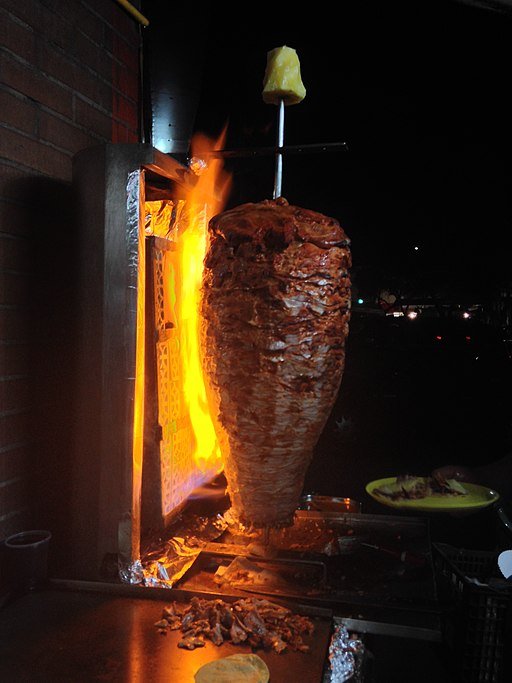
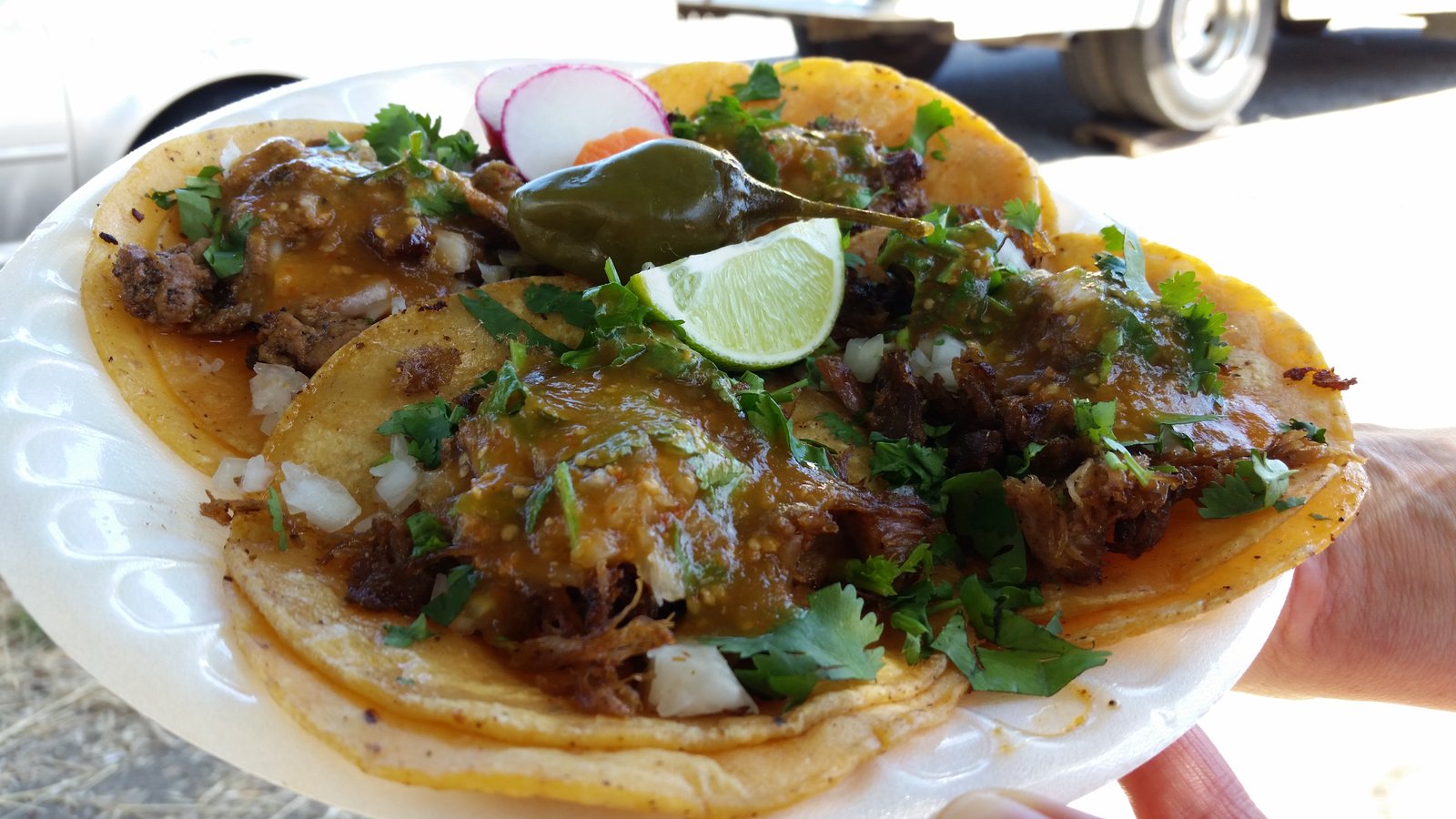
    Tacos Al Pastor is really the result from a clash of cultures. Using the vertical spit is very reminiscent of the shwarma or the Turkish kebab.  Mexicans adopted this form of spit roasting from Arab and Lebanese immigrants that came over in the 19th and 20th centuries.

    The earliest photo of the vertical spit is dated 1855.

    Al Pastor, which literally translates to “shepard style.” get’s its name from its original filling of lamb.  Over time locals replaced the lamb with the more common pork and the pita was replaced with the omnipresent tortilla. There are still places where you can find more middle eastern style pastor. Made with lamb on pita bread topped with onion and cilantro these “Oriental” or “Arab” tacos”(tacos arabes) were introduced in 1930s and 1940s and are still popular in Puebla and Mexico City.

    Ultimately, there are a few main components that make up a successful Al Pastor taco: the trompo “vertical spit”, the salsa, and the pineapple. Traditionally, al pastor is made with  spices, achote, chiles, and  is marinated for hours. Then the pork is layered on a vertical spit. The leaner cuts of meat and the fattier cuts are alternated to keep the meat tender during the cooking process.

    As far as salsa goes, the correct amount of heat is key. There have been plenty of Al Pastor tacos ruined by a bland salsa. The salsa, in combination with onions and cilantro, play up the spicy and savory notes in the pork.

    The pineapple is what takes Al Pastor tacos to the next level. The sweetness cuts through the salsa and pork to give it a fresh element that balances the entire taco.The play of savory, spicy sweet all there in a taco, the perfect vehicle to deliver flavor.

    (Note: Don’t overlook the power of a good tortilla: a well-made, fresh tortilla will keep its pliable and soft texture to hold in all the ingredients.)


    Some Of Our Favorite Al Pastor Tacos

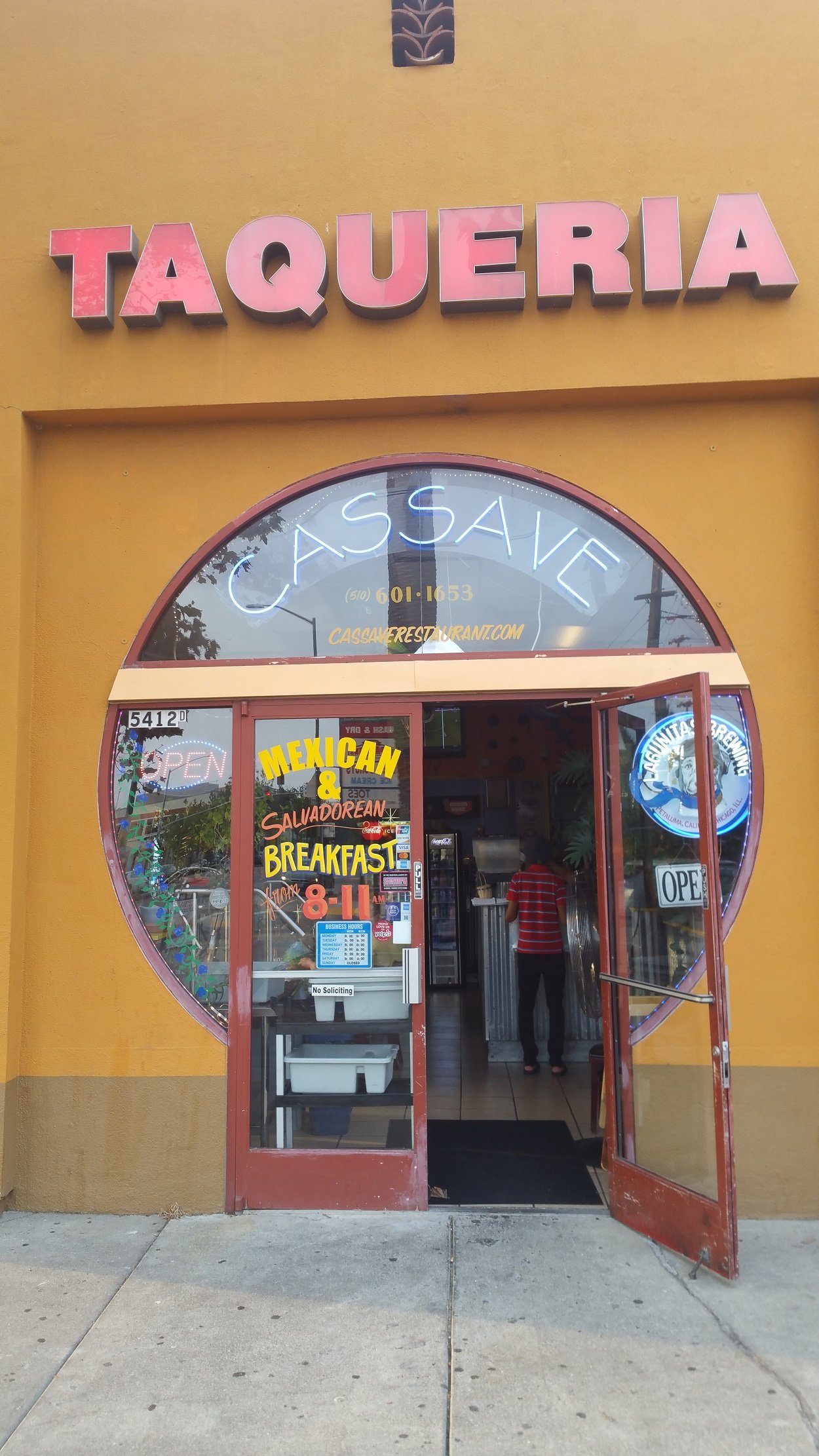
    Cassave Restaurant

    5412 San Pablo Ave

    Emeryville, CA 94608

    (510) 601-1653

    http://www.cassaverestaurant.com/


    Cassave is not technically in Oakland but this taqueria serves a really nice pastor taco with some great flavors

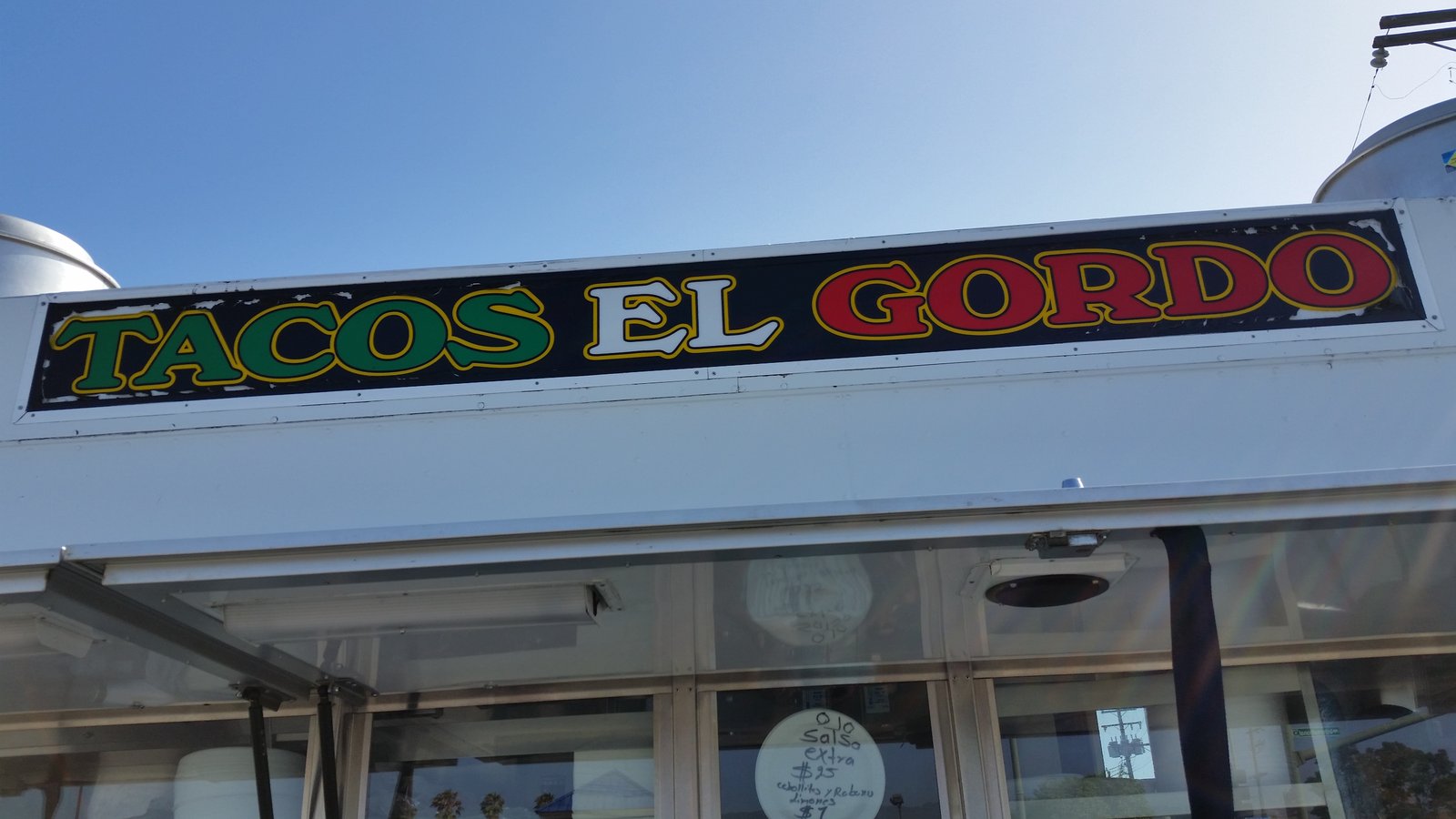
    Tacos El Gordo

    4201 International Blvd

    Oakland Ca 94601

    Tacos El Gordo roasted on a traditional trompo. Tacos El Gordo is an institution serving delicious tacos to one and all.


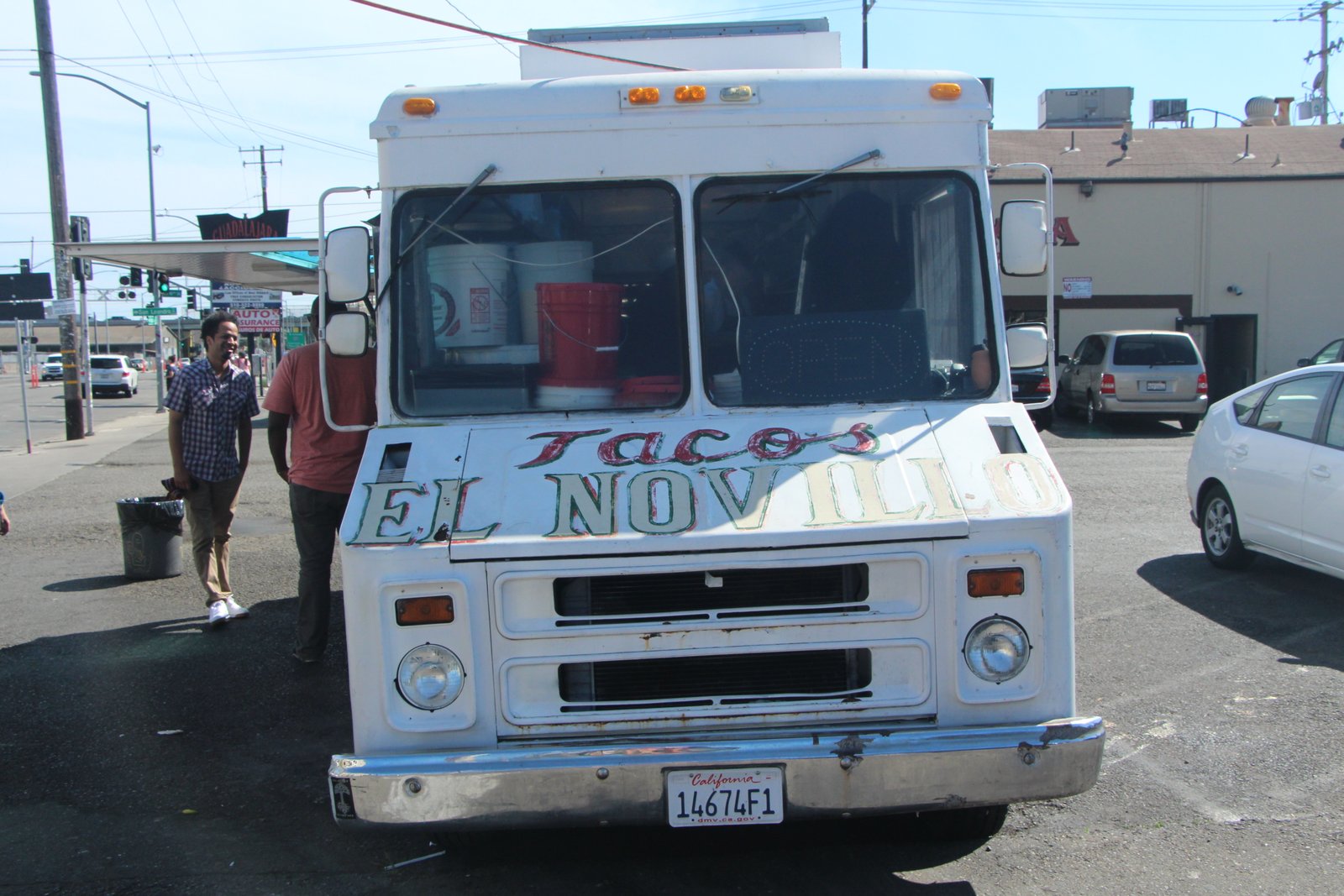
    El Novillo

    1001 Fruitvale Blvd (Guadalajara Restaruant Parking Lot)

    Oakland,Ca 94602

    Popular truck in the fruitvale neighborhood. Slinging delcious pastor all day.


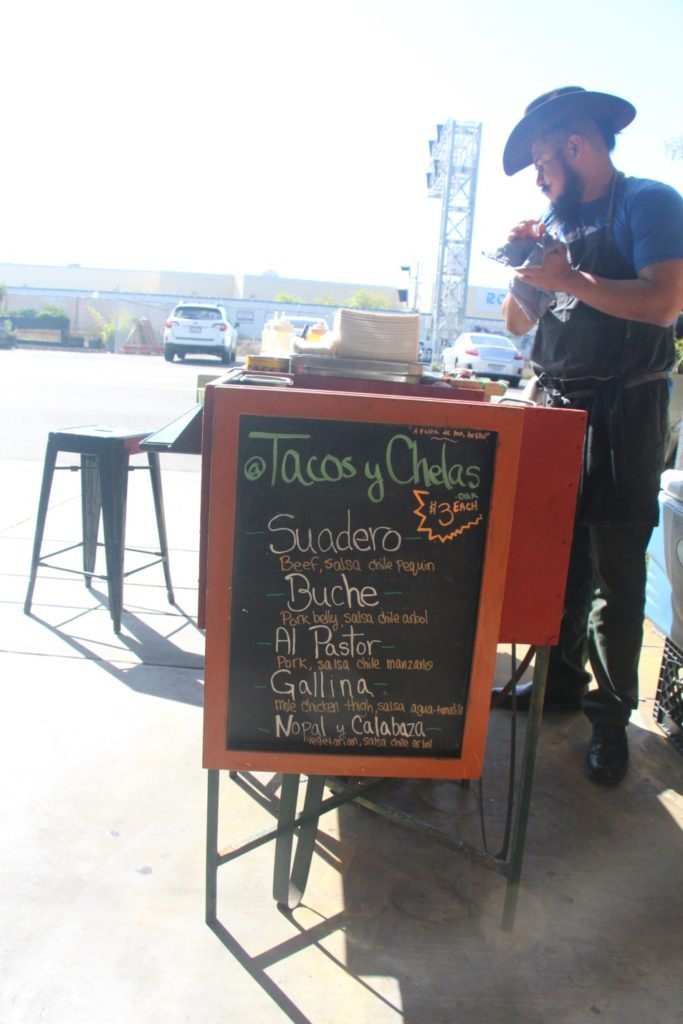
    Tacos Y Chelas

    Pop up in and around Oakland. Check them out on instagram @tacosychelasoak to find out where they will be.

  • Basket Tacos

    Basket Tacos

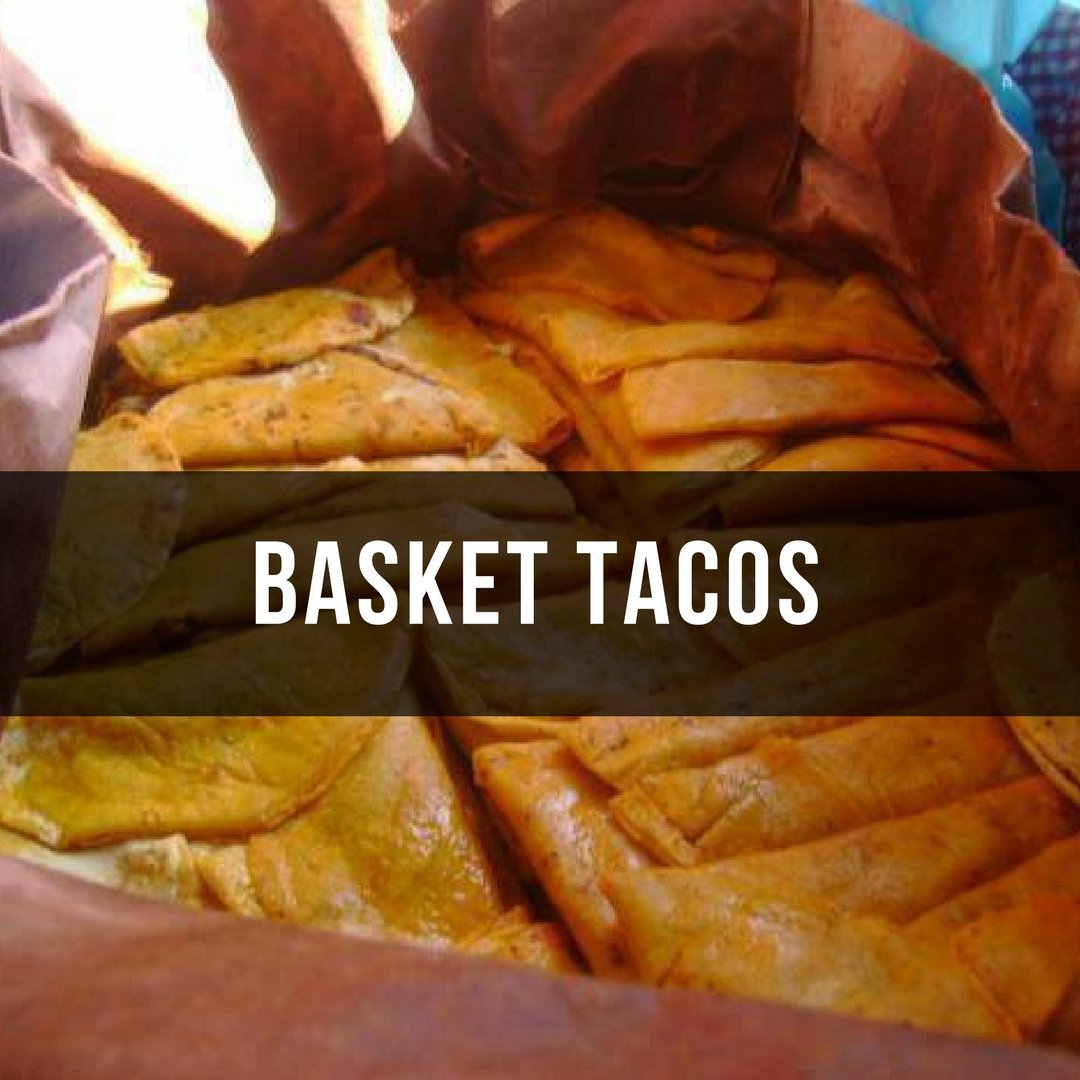
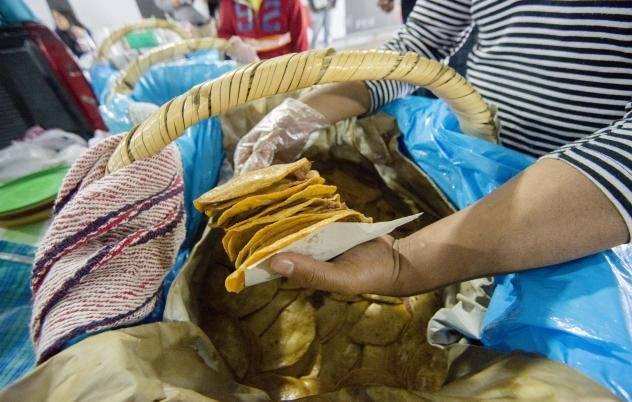
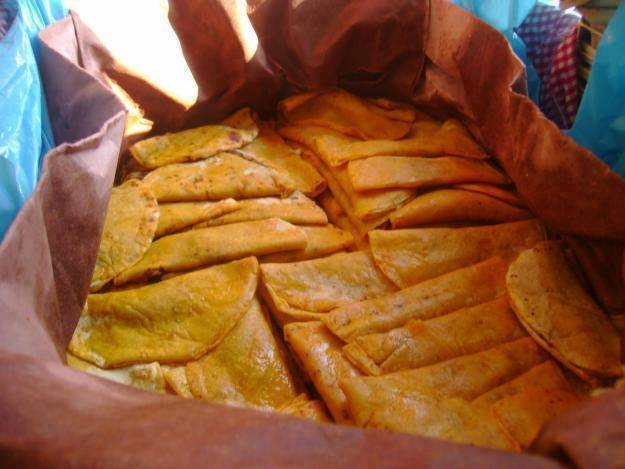
    “Basket Tacos” or Tacos de Canasta are steamed tacos. Soft and moist, with fillings such as chicharrón, mole verde, potato, refried beans, shredded chicken, and carnero en adobo (spicy mutton/sheep).

    “Basket Tacos were invented in the mining areas of Hidalgo and Guanajuato, which is why they were known as Miners’ Tacos”

    There are many names for this style of taco. They’re sometimes called tacos sudados—“sweated tacos” Not long ago they were also known as tacos de albanil or “construction worker tacos. The “basket taco” get their name from the baskets vendors and workers carry them in to keep them warm.

    What distinguishes these tacos is their preparation which allows them to be kept warm for hours.The process of marinating in the basket, helps its flavors and sauces fuse with the tortilla and give it its characteristic color. The tacos are prepared little by little and they are put inside the basket forming layers of different tacos. Oil is heated and put to the first layer of tacos with a little powder chili pepper to give them a little bit of color and flavor.The blocks are placed layer by layer, repeating the process until filling the basket, to finally cover it again with cloths and aluminum. This process causes the tacos to finish cooking and marinate in their own flavor.

    Their ultra-portability allows vendors to get creative as well. In Mexico City you will see vendors on bikes, carts and brick and mortar establishments serving tacos out baskets.  These tacos are usually enjoyed in mornings and and lunch and can be harder to find thin evening hours.

  • What are Birria Tacos?

    What are Birria Tacos?

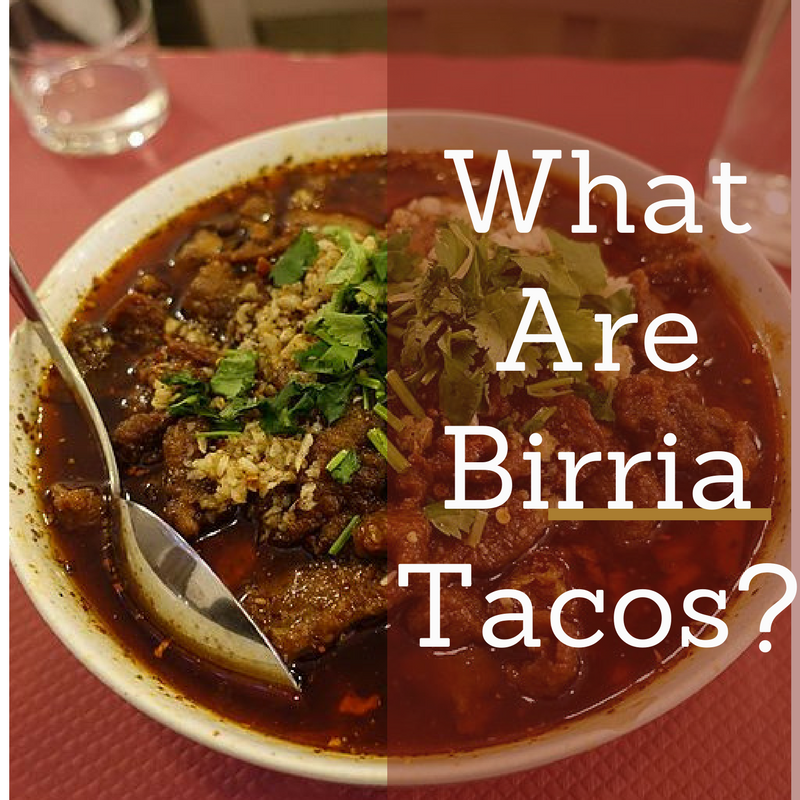
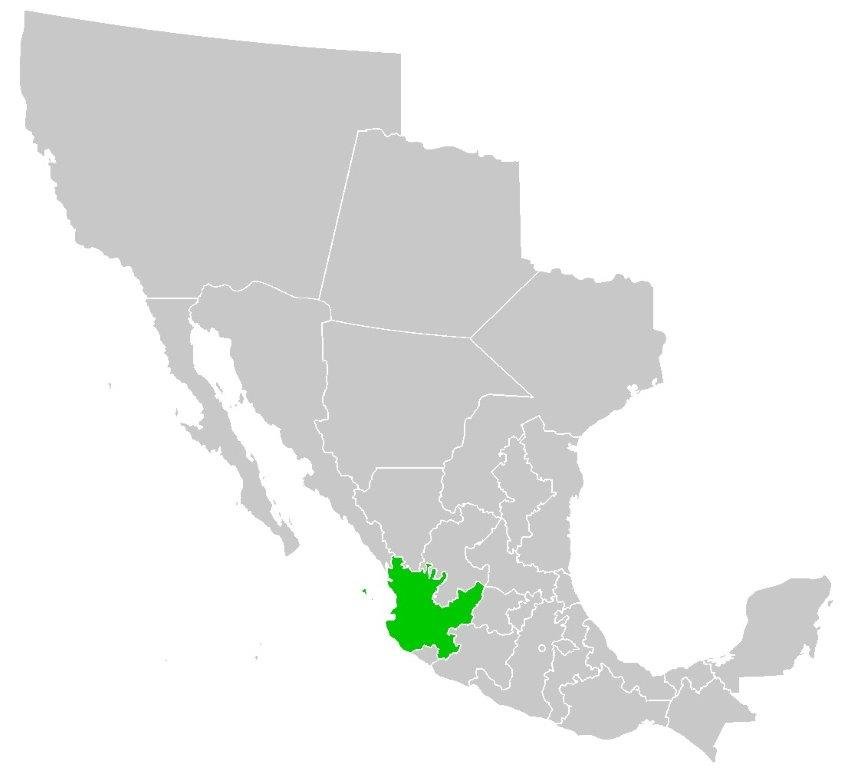
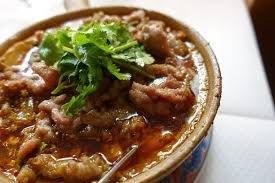
    Birria is a spicy stew originally made with goat meat. However today, it can be made with beef, veal, pork or chicken. Birria comes from the Mexican state of Jalisco. The city of Cocula, Jalisco is considered the birthplace of the dish.

    Restaurants or street carts that serve birria are known as birrierias and exist throughout Mexico, but especially in Jalisco and its capital, Guadalajara.

    Defintion: “birriero” (birria maker)

    Birria is often served at celebrations such as weddings quinceaneras, baptisms and other holidays like Christmas and Easter. It also has a reputation as a hangover remedy so it normally eaten in the mornings and early afternoon.

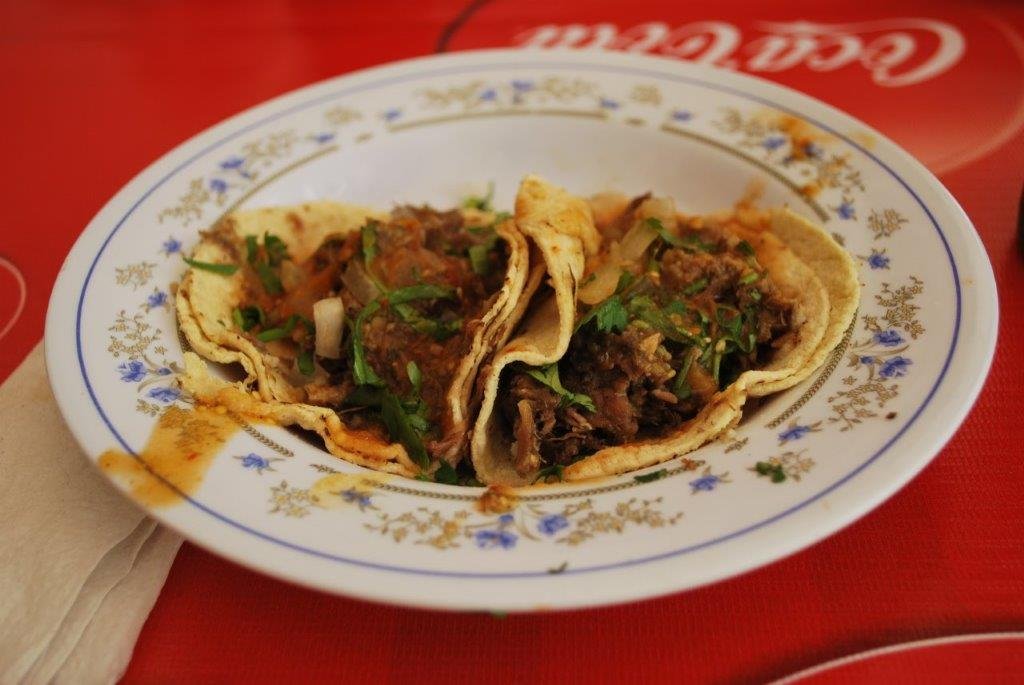
    Preparation techniques vary, but the dish is often served with corn tortillas, onion, and lime. Traditionally, the meat is marinated in adobo spices. Neighboring Mexican states have their own variations of the dish: ex. (the birria estilo Zacatecas of Zacatecas and the birria de Colima of Colima)

     Birria Recipes From Around The Web

    The Spruce — Mexican Tacos de Birria Recipe

    The Latin Kitchen — Traditional Birria

    Half baked Harvest — Birria Puffy Tacos

  • Types of Tacos

    Types of Tacos

    At this point in my taco adventure, I have eaten countless tacos. And I would consider myself to have a very good knowledge base when it comes to the subject. I remember as a teen and young adult, I would walk up and ask the person inside the truck for 4 asada tacos. I would pay very little attention to any other menu items or the descriptions next to them. That is except when I was pretending to read through them, posturing as if I was undecided about what to order.

    About a year ago, I was at one of my favorite local trucks with a friend and they asked if I knew what different item descriptions meant. To be honest, I didn’t really know at the time. I knew that sometimes I ordered tacos and the tortillas were warm, while other times the tortillas would be moist. That conversation drove me to explore and learn more about the origins of different tacos and find out how they are prepared.  I found several great sites describing types of tacos.  

    These are two great concise articles centered on taco types:

    Craftsy – Types of Tacos 

    Serioius Eats Guide To Taco Styles

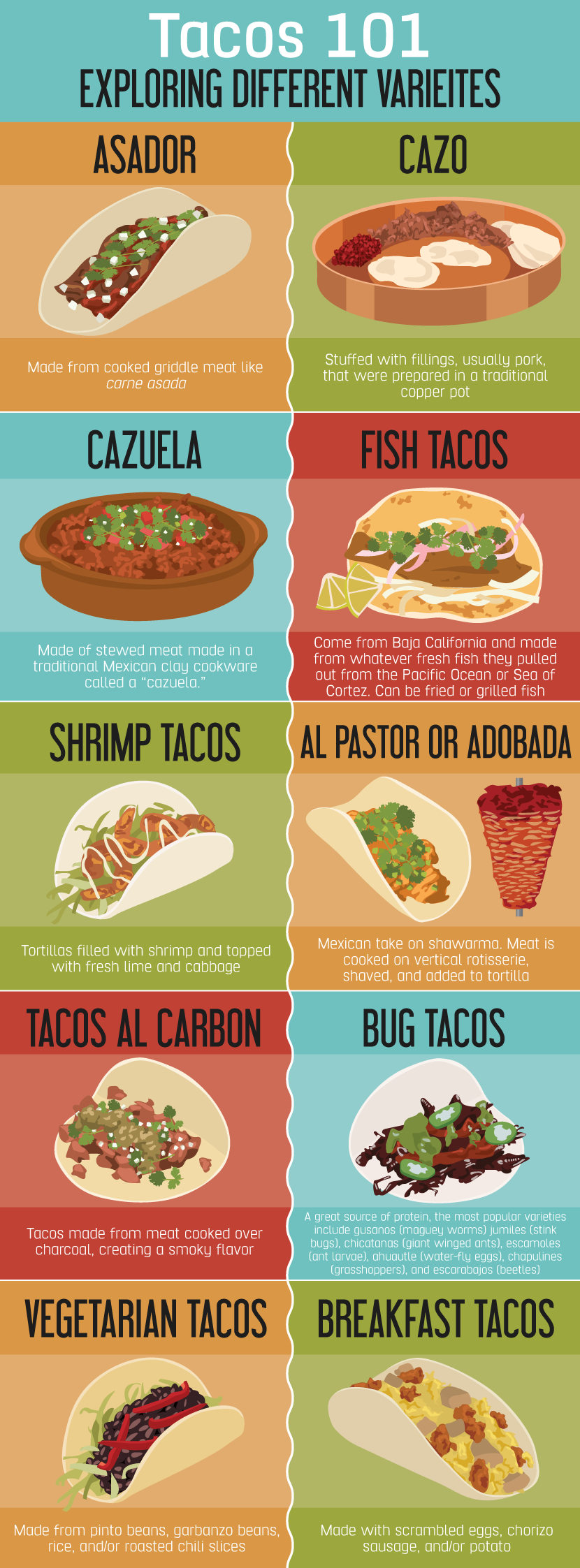
    Below you find a brief description of the different styles of tacos that I learned about. Next time you are at a truck or restaurant, see if you can pick out these descriptions. 

    Tacos De Asador also known as “Spit” or “Grill” Tacos usually are made with grilled fillings such as asada (steak), chorizo (Mexican sausage), pollo (chicken), and tripas (tripe).

    Tacos De Cazo – Deep fried fillings typically include tripe, suadero, carnitas, and buche (pork stomach).

    Tacos De Sudados or Canasta – corn tortillas filled and then covered to trap moisture “sweat” and soften them.

    Tacos Al Pastor or De Adobada – Pork steaks seasoned with adobo. Traditionally the steaks are skewered and stacked on a rotisserie and slow-cooked.

    Tacos De Pescado / Fish Tacos – Grilled or fried fish topped with cabbage, pico de gallo, and/or sour cream.

    Tacos De Camarones / Shrimp Tacos – Grilled or Fried Shrimp usually topped with cabbage, pico de gallo, and/or sour cream.

    Tacos Dorados / Fried Tacos (taquitos)– Rolled, deep-fried tacos usually filled with chicken or beef.


    Here is a helpful inforgraphic by Maggie Unzueta @ Fix.com

    Fix.com


  • A Few Words On Tortillas

    A Few Words On Tortillas

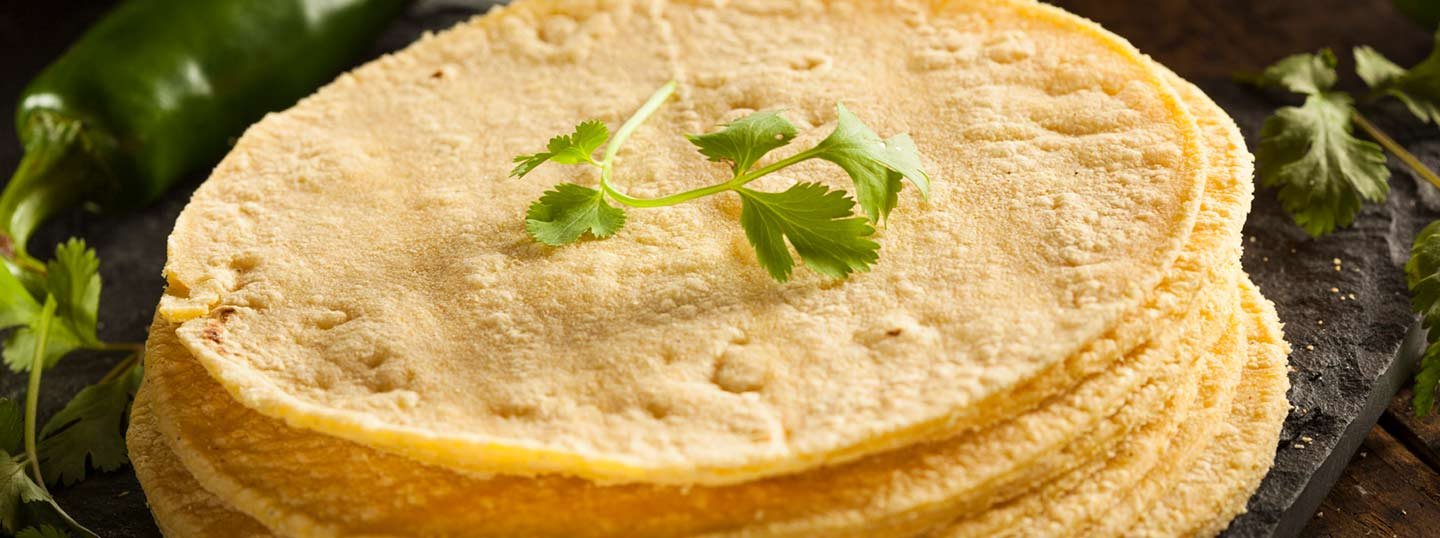
    Tortillas are ultimately a plate, an envelope surrounding the fillings that go in your taco. Originally, all tortillas were only made from the pulp of ground corn. Today there are a few variations, but the tortilla has been mainly unchanged for hundreds of years.  

    Corn/Maize tortillas are generally warmed before serving, this makes them more pliable when using them as a vehicle for toppings. They can be warmed on a skillet, comal, or in the oven.

    Yellow corn tortillas – made from yellow corn, these tortillas have a richer flavor than white corn tortillas. They are also ever slightly thicker than white corn tortillas.

    White Corn Tortillas – Most common variety for taco trucks and restaurants. More subtle flavor than their yellow counterparts.

    White Flour and Wheat Flour Tortillas are most popular for quesadillas, and burritos. Flour torillas are delicate and pliable. This makes them the ideal wrapping for your favorite fillings.

    White Flour Tortillas – generally don’t have a distinct flavor, which makes them great for wraps and burritos.

    Wheat Flour Tortillas have a recognizable flavor, making them less versatile to pair with as wide a range of flavors.

    Flour Tortillas Variations

    Spinach – Spinach is incorporated in the dough of these tortillas. It’s a good way to add a little something to your tortilla experience.

    Blue Cornmeal – Popular in the southwest United states, the cornmeal gives the torillas a slightly more grainy texture and a blue tint.

    Sundried Tomatoes –Just like spinach tortillas, these tortillas have sundried tomatoes incorporated into the dough, giving them a red hue.


    *Tips

    If you are not near a tortilleria, buy tortillas from a place that sells a lot of them. It is important to think of tortillas just like you think of bread, the fresher the better.

    To maintain freshness store in refrigerator for up to 2 weeks or freeze for up to 3 months.